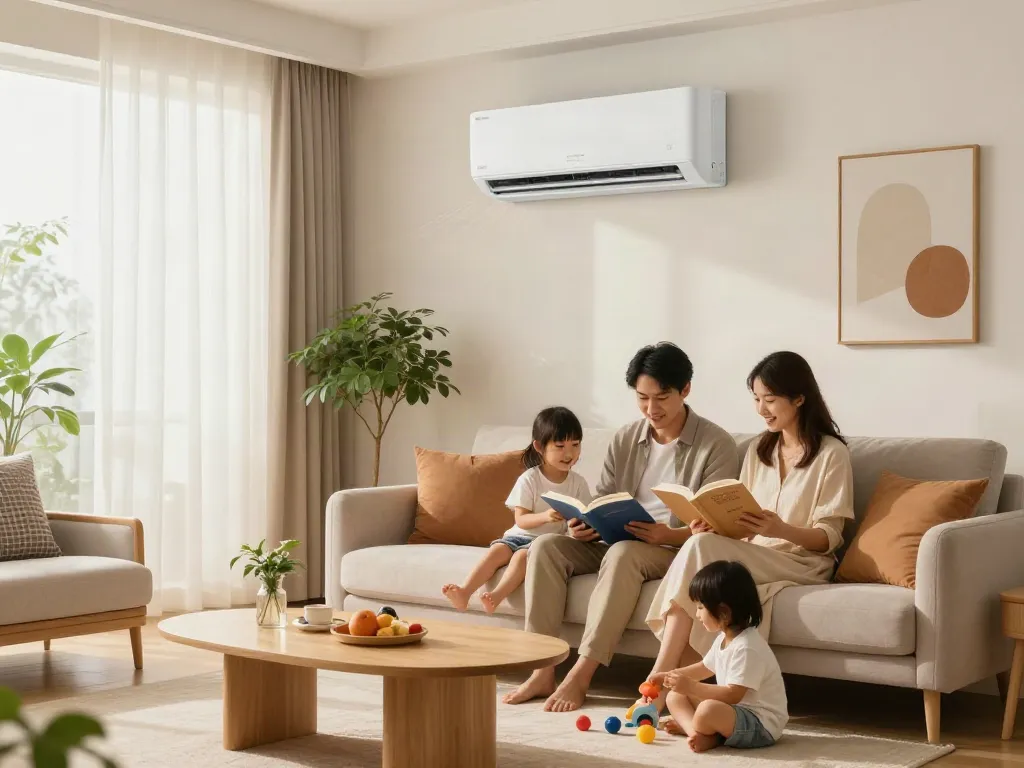
Understanding Ductless Air Conditioners
As homeowners increasingly seek energy-efficient and cost-effective heating and cooling solutions, ductless air conditioners have gained prominence as a favored option. These systems are particularly advantageous for spaces where traditional ductwork may not be feasible or economical. The essence of a ductless air conditioner lies in its ability to provide targeted heating and cooling without the need for extensive ducting. When exploring options, ductless air conditioner systems are leading the charge in modern HVAC technology, offering flexibility, efficiency, and enhanced comfort. In this article, we will delve deeply into the workings, benefits, and future trends of ductless air conditioners.
What is a Ductless Air Conditioner?
A ductless air conditioner, often referred to as a mini-split system, consists of two main components: an outdoor compressor unit and one or more indoor air handling units. Unlike conventional air conditioning systems that rely on ductwork to distribute cool air, ductless systems deliver conditioned air directly into individual rooms or zones, allowing for precise temperature control. This design not only enhances comfort but significantly improves energy efficiency, which is a crucial factor for energy-conscious consumers.
How Ductless Systems Work
Ductless air conditioners operate using a heat pump technology that transfers heat rather than generating it. In cooling mode, the system absorbs heat from inside your home and expels it outside, while in heating mode, it reverses the process, drawing heat from the outside air and bringing it indoors. This flexibility makes ductless systems an excellent choice for year-round climate control, ensuring that whether it’s a sweltering summer day or a chilly winter night, your home remains comfortable.
Key Components of Ductless Air Conditioners
- Outdoor Unit: This is the core of the system, housing the compressor and condenser components responsible for heat exchange.
- Indoor Air Handlers: Located in the rooms you want to cool or heat, these are typically mounted on walls or ceilings and contain the evaporator coils.
- Refrigerant Lines: These pipes connect the indoor and outdoor units, allowing for the transfer of refrigerant needed to absorb and release heat.
- Thermostat: Many ductless systems come with a remote or wall-mounted thermostat that allows you to control the temperature in each zone independently.
Benefits of Ductless Air Conditioning
Energy Efficiency and Cost Savings
One of the most significant advantages of ductless air conditioners is their energy efficiency. Because they eliminate the energy losses associated with ductwork, which can account for up to 30% of energy consumption in conventional systems, they help homeowners save on utility bills. Moreover, many models are equipped with inverter technology, which adjusts the compressor speed based on the cooling or heating demand, further enhancing efficiency and reducing costs.
Improved Indoor Air Quality
Ductless systems not only provide efficient climate control but also improve indoor air quality. Traditional HVAC systems can harbor dust, allergens, and mold within their ducts, circulating these pollutants throughout the home. Ductless air conditioners feature multi-stage filtration systems that trap these contaminants, resulting in cleaner, fresher air. This aspect is especially beneficial for individuals with respiratory issues or allergies.
Flexible Installation Options
The installation process for ductless air conditioning systems is not only straightforward but also versatile. The absence of ductwork means that installation can often be completed in a day, with minimal disruption to your home. Additionally, the availability of various indoor unit styles, including wall-mounted, ceiling-mounted, and floor-mounted options, allows homeowners to choose solutions that best fit their aesthetic and functional needs.
Common Myths and Misconceptions
Are Ductless Systems Noisy?
Many potential buyers worry about the noise levels associated with ductless air conditioners. However, modern models are designed to operate quietly, often as low as 19 decibels, comparable to a whisper. The outdoor compressor unit can be somewhat louder, yet its placement further away from living areas minimizes any impact on indoor comfort.
Is Installation Complicated?
Another common misconception is that ductless systems are complicated to install. In reality, the installation is typically less invasive than traditional systems. A small hole is drilled in the wall to accommodate the refrigerant lines, and since they don’t require ductwork, the process is often faster and less labor-intensive. Professional installation is recommended for optimal performance and warranty coverage.
Can Ductless Air Conditioners Heat Spaces?
Yes, ductless air conditioners can effectively heat spaces. Most mini-split systems are dual-function, capable of cooling in the summer and heating in the winter. They can maintain comfortable temperatures even in low outdoor temperatures, making them a year-round solution for homeowners.
Choosing the Right Ductless System for Your Home
Factors to Consider Before Purchase
When selecting a ductless air conditioner, several factors should be considered to ensure you make the best choice for your home:
- Size of the Space: Proper sizing is crucial to avoid underperformance or energy waste. Professionals can perform a load calculation to determine the required BTUs.
- Number of Zones: Consider how many areas you wish to cool or heat, as each zone typically requires its own indoor unit.
- Energy Efficiency Ratings: Look for units with high SEER (Seasonal Energy Efficiency Ratio) ratings for better performance and lower operational costs.
- Installation Location: Evaluate the placement of indoor units to maximize airflow and minimize obstruction.
Comparing Different Models and Brands
With numerous models and brands available, it’s essential to conduct thorough research. Compare features such as energy efficiency, design options, warranty coverage, and customer reviews. Leading brands often provide excellent support and reliability, ensuring your investment is protected.
Avoiding Common Installation Pitfalls
Even with simpler installation processes, it’s easy to encounter pitfalls. Ensure that a professional technician performs the installation, as improper setup can lead to inefficiencies and system failures. Additionally, verify that the system is adequately sized for your space to optimize performance.
Future Trends in Ductless Air Conditioning
Advancements in Technology for 2026
The future of ductless air conditioning promises exciting technological advancements. Expect to see improved energy efficiency metrics, enhanced filtration systems, and smarter integration with home automation solutions. Innovations in inverter technology will allow for even more precise control over energy use, leading to further cost savings.
Smart Features and Automation
As smart technology permeates every facet of our lives, ductless air conditioners are no exception. Many modern systems now include Wi-Fi connectivity and smartphone applications that allow homeowners to manage their climate control remotely. This feature not only enhances convenience but also enables users to optimize settings for energy savings when they are away from home.
The Growing Popularity of Ductless Systems
As awareness of the benefits of ductless air conditioning continues to grow, so too does its popularity. Homeowners are increasingly seeking systems that offer flexibility, efficiency, and lower environmental impact. Ductless systems not only meet these needs but have also become a preferred choice in new constructions and retrofitting projects alike.
Are Ductless Air Conditioners Worth the Investment?
Investing in a ductless air conditioner can yield substantial benefits over time. While the initial cost may be higher than traditional systems, the long-term savings on energy bills, combined with the improved comfort and air quality, make it a sound decision for many homeowners. Furthermore, the ease of installation and reduced need for maintenance contribute to lower overall lifetime costs.
How to Maintain Your Ductless System?
Regular maintenance is essential for prolonging the life of your ductless air conditioner and ensuring it operates efficiently. Here are some tips to keep in mind:
- Clean or Replace Filters: Check filters monthly and clean or replace them every few months to maintain airflow and efficiency.
- Schedule Professional Maintenance: Have a technician inspect and service your system annually to catch any issues early and ensure optimal performance.
- Keep Outdoor Unit Clear: Ensure that the area around the outdoor unit is free from debris, plants, and obstructions that could impede airflow.